
Brain Injury and Domestic Violence
Any acts of violence that cause harm to the face, neck, or head can lead to a brain injury, this includes being choked or strangled. In domestic violence, brain injury is often underreported, can occur over many incidents and can range in severity. If you believe you have had an injury to your face, neck or head you should speak with your medical provider, especially if you have side effects of a brain injury.
Domestic violence is a pattern of behavior in any relationship that is used to gain and maintain power and control over their partner, ex-partner, or family member.
Domestic violence can take many forms, including emotional and verbal abuse, coercion, financial abuse, stalking, and physical violence. Physical assaults are often targeted toward the head, neck, and face, which can lead to brain injury.
Everyone deserves to be safe at home, and with their intimate partners. If you or someone you know is experiencing domestic violence, reach out for help. Domestic Violence Advocates can help with safety planning, support, and referrals.
Brain Injury Information for Survivors - Ohio Domestic Violence Network
A brain injury can occur after being hit in the head, strangled, or choked by a partner
If you are in immediate danger, call 911
Relocate to a safe environment, if possible.
For assistance finding a local domestic violence program in Ohio you can contact Ohio Domestic Violence Network (ODVN) at 1-800-934-9840 or 614-781-9651 if you are outside of Ohio you can contact the National Domestic Violence Hotline at 1-800-799-7233 for assistance.
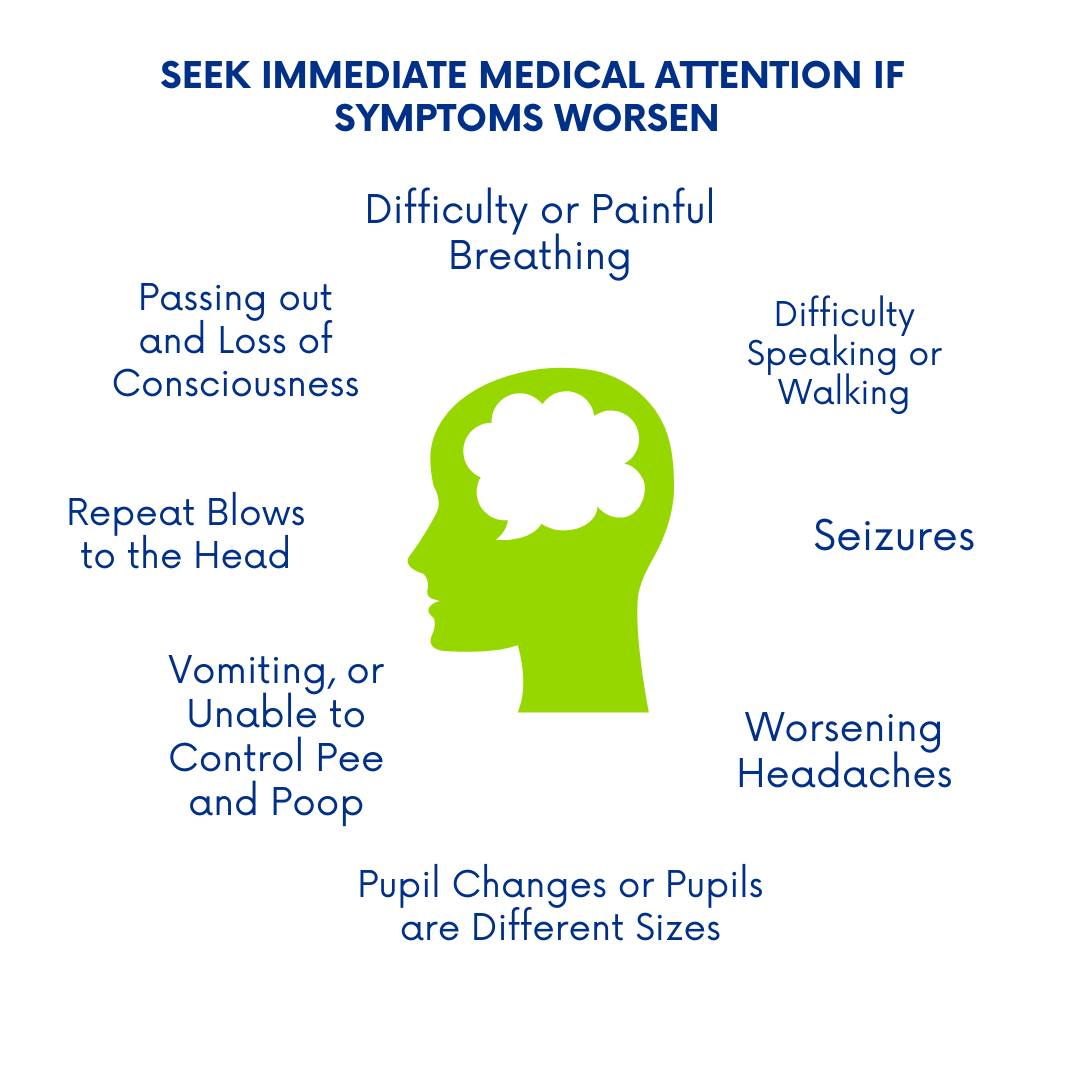
Seek medical attention if you are having any new or worsening symptoms, including difficulty breathing, difficulty speaking or walking, inability to stay awake (passing out, losing consciousness), seizures, or worsening headaches.
seeking medical attention after a brain injury resulting from domestic violence
Medical imaging may not always show a brain injury, especially one that occurred long ago or that did not cause significant structural damage. Imaging can show medical abnormalities like blood clots and brain bleeds immediately following an injury.
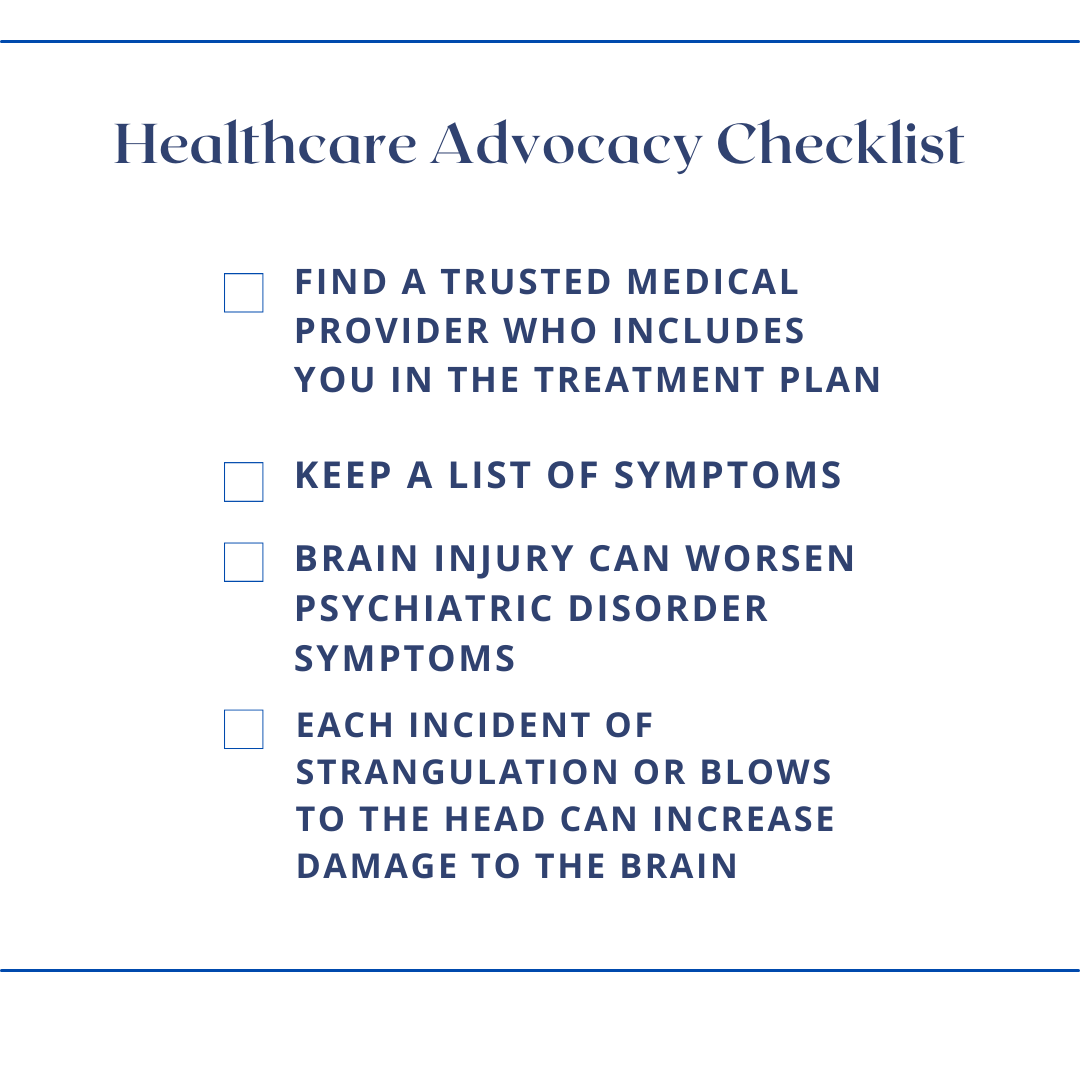
It is important to keep lists of symptoms you are having and share those with your medical provider, this can assist in diagnosing and receiving referrals to the appropriate care providers.
Symptoms from a brain injury may be long lasting and the impact may not be immediately noticeable; especially in cases of domestic violence where injuries have occurred repeatedly, overtime. Medical providers should also take into consideration the psychological impact of domestic violence that can cause anxiety, depression, and other psychiatric needs that can overlap and worsen with brain injury.
Continue seeking medical care if you have persistent symptoms and encourage your medical providers to utilize you and your experiences as a part of the treatment team and treatment plan.
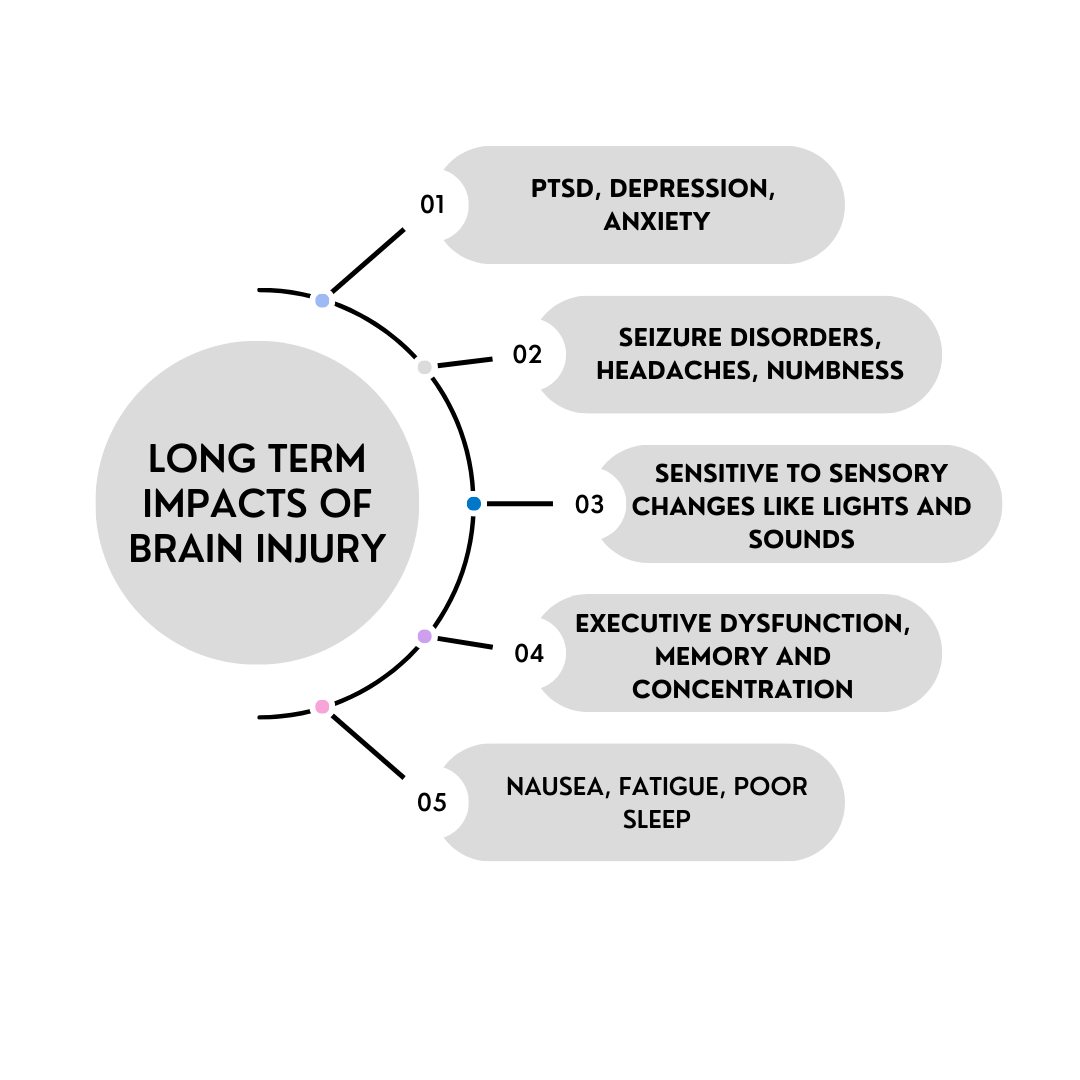
Brain Injuries could have long term impacts
Brain injury symptoms can vary and can cause short term and long-term difficulties for individuals in many aspects of life. There are ways to adjust and cope with the impact of brain injury. The Brain Injury Association of Ohio can assist in finding resources through our helpline.
Each subsequent brain injury can create further complications or even death. If you are being hit in the head, choked, or strangled by a partner you can find help by contacting Ohio Domestic Violence Network.
This project was supported by Grant No. 15JOVW-23-GK-00743-DISA awarded by the Office on Violence Against Women, U.S. Department of Justice. The opinions, findings, conclusions, and recommendations expressed in this publication/program/exhibition are those of the author(s) and do not necessarily reflect the views of the U.S. Department of Justice.